
Why can Donald Glover drop an Emmy-winning TV series, a chart-topping rap album, and headline a billion-dollar movie without anyone blinking an eye?
Why is Zendaya equally respected for her acting, fashion, activism, and her music, even if she hasn’t dropped an album in years?
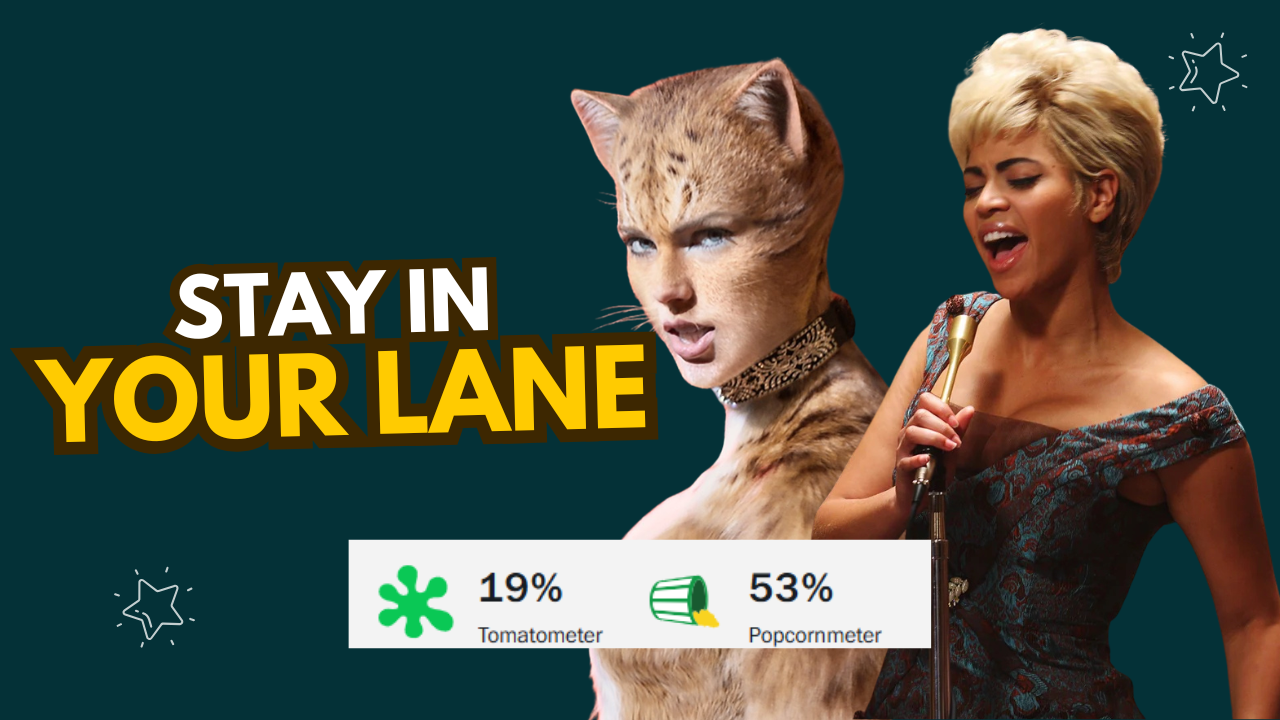
But when Beyoncé takes on a movie role, it’s somehow open season. The critiques are loud. The Twitter threads are endless. And don’t even get me started on how people reacted when Taylor Swift dipped her toes into film.
There’s a double standard in pop culture that we don’t talk about enough.
Some celebrities can jump from music to film to fashion to tech, and people celebrate them for their versatility, talent, and brilliance. Others get mocked, doubted, or shut down entirely, even when the work is good.
Why is that? Why are some celebrities allowed to evolve, while others are told to pick a lane and stay in it?
Let’s break down the branding psychology behind this cultural double standard. We’ll talk about brand trust, earned equity, and why perception (not talent) is often what determines whether a celebrity succeeds when they step outside their original medium. At the end, I’ll teach you how you can implement some of these strategies into your brand for seamless extension.
Reading not your thing? Watch the video about this topic below.
What Is Cross-Medium Credibility?
Cross-medium credibility is when a celebrity can move between different creative or commercial industries—like from music to acting, or fashion to film—and still be taken seriously. It’s not just about being talented in different areas. It’s about whether the audience believes that you belong there.
This is a branding and marketing concept at its core. It’s about how people perceive your value, your image, and your consistency across different platforms.
In branding terms, it’s an extension of “brand equity”: the trust and reputation you’ve built that allows people to follow you across categories.
For example, when Lady Gaga showed up in A Star Is Born, she wasn’t starting from zero. Her over-the-top performances, emotional songwriting, and visual storytelling already made her feel cinematic. Her pivot to acting felt like an evolution.
But when someone like Harry Styles stepped into film, even though he has charisma and global fame, he hadn’t built that same type of creative equity in acting, and audiences were quicker to critique.
So the real question isn’t “Can they do it?” It’s “Did their brand prepare us to believe it?”
Who Does It Well (And Why)
Now let’s talk about the ones who nailed it.
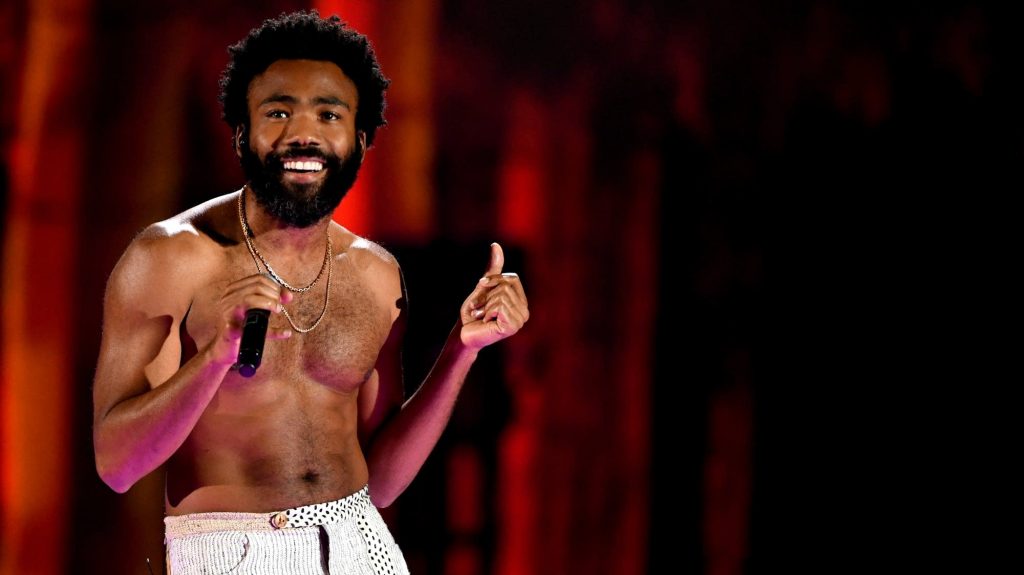
Donald Glover, aka Childish Gambino, is a masterclass in cross-media credibility. He started in comedy writing, moved to acting in Community, launched a music career as Childish Gambino, and then created and starred in Atlanta. Each step felt intentional. Why? Because his brand was always about being multi-dimensional. From day one, he positioned himself as a creative polymath. So we expected (and welcomed) his evolution.
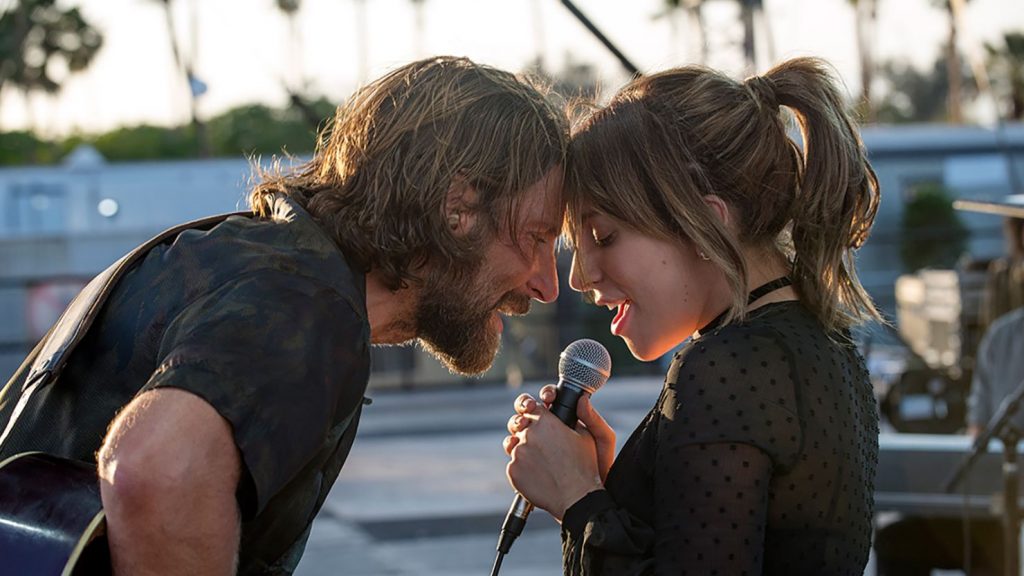
Lady Gaga’s jump to acting worked because her music persona was already theatrical and cinematic. Think about her early videos and performances—they were basically short films. So when she starred in A Star Is Born, it wasn’t shocking. It was more like, “Of course she can do this.”
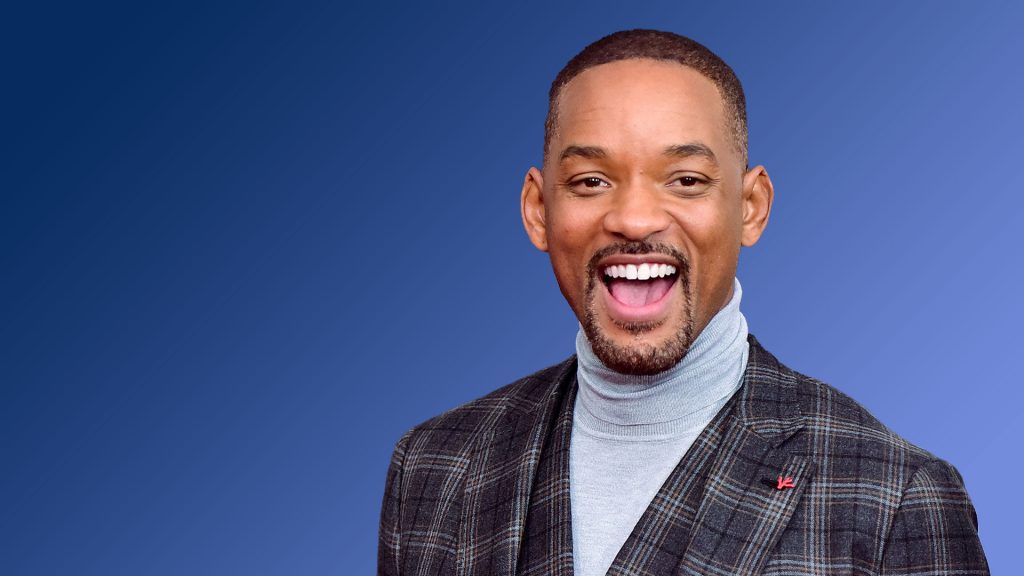
Will Smith built his crossover early. He moved from hip-hop to sitcoms to action films almost seamlessly. Why? Because his brand was rooted in charisma, humor, and mass appeal. It didn’t matter the medium—his identity was portable.
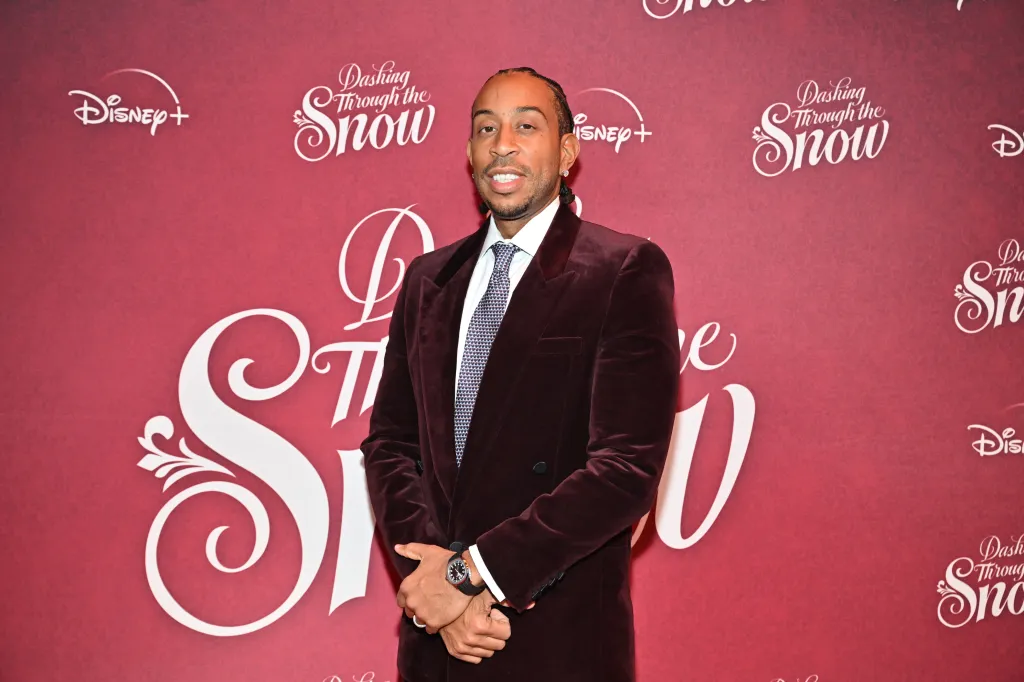
Ludacris is another underrated example. Starting as a rapper with big energy and comedic flair, his brand was all about being loud, likable, and a little over-the-top. So when he transitioned to the Fast & Furious franchise, his role didn’t feel forced. It aligned with his existing persona.
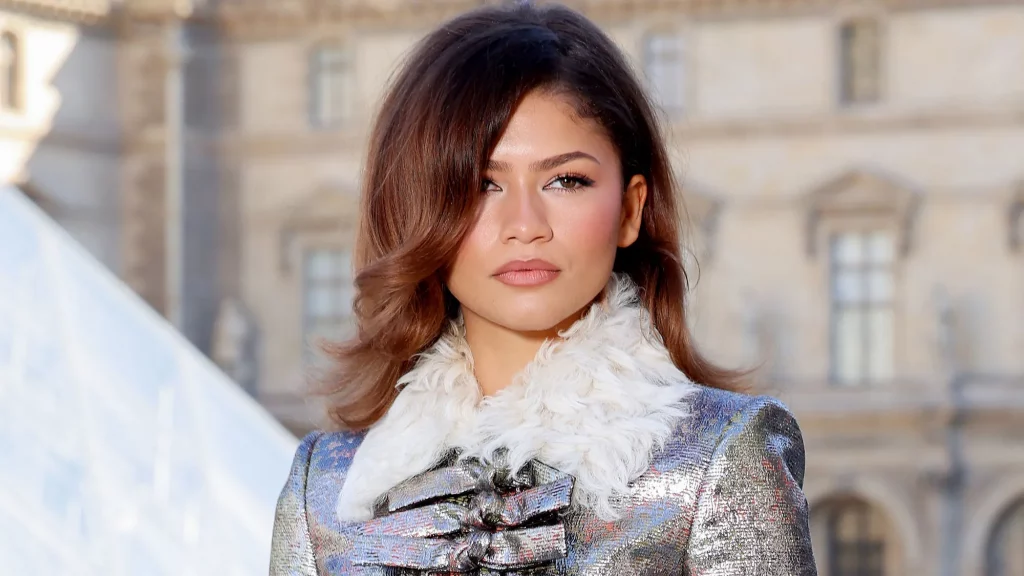
Zendaya started on Disney, but has transitioned into both film and music successfully. Her brand is rooted in style, maturity, and intentionality. That allowed her to go from teen sitcoms to Euphoria without losing credibility.

And let’s not forget the reverse—when actors turn to music or other creative fields. Someone like Hailee Steinfeld is a good example. She built acting credibility first, and when she transitioned into pop music, her audience followed her because her brand was built on earnestness, vulnerability, and relatability—all traits that carried over.
In all of these examples, the key is brand alignment. The new medium doesn’t contradict who the celeb already is—it reinforces or expands it.
So why do some transitions spark support while others get roasted? A lot of it comes down to audience expectations.
Why Audiences Don’t Let Some Celebs Switch Lanes
We like our celebrities consistent. That consistency builds brand trust. And when someone steps out of that mold without enough setup, the audience can feel confused—or even betrayed.

Take Harry Styles. He got mixed reviews in Don’t Worry Darling because of fan expectations. His brand was built on charm and mystery, not depth or grit. So when he stepped into a complex role, it didn’t click for everyone.
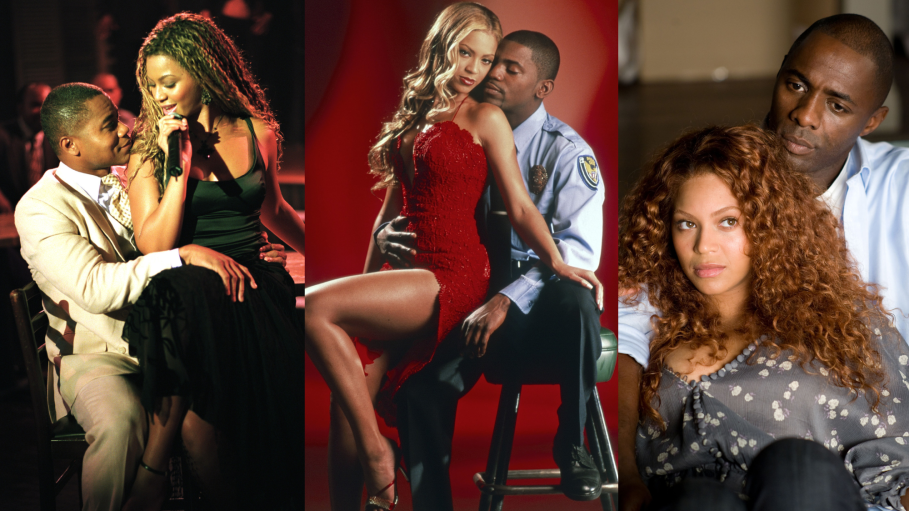
Or Beyoncé. She’s a global music icon, but when she acts, even in box-office hits like Dreamgirls and The Lion King, critics and fans can be harsh. Why? It’s not because she’s bad, but because her musical brand is so polished, so perfectionist, that it can create a sense of emotional distance on screen. And acting, with its vulnerability and rawness, clashes with that image.
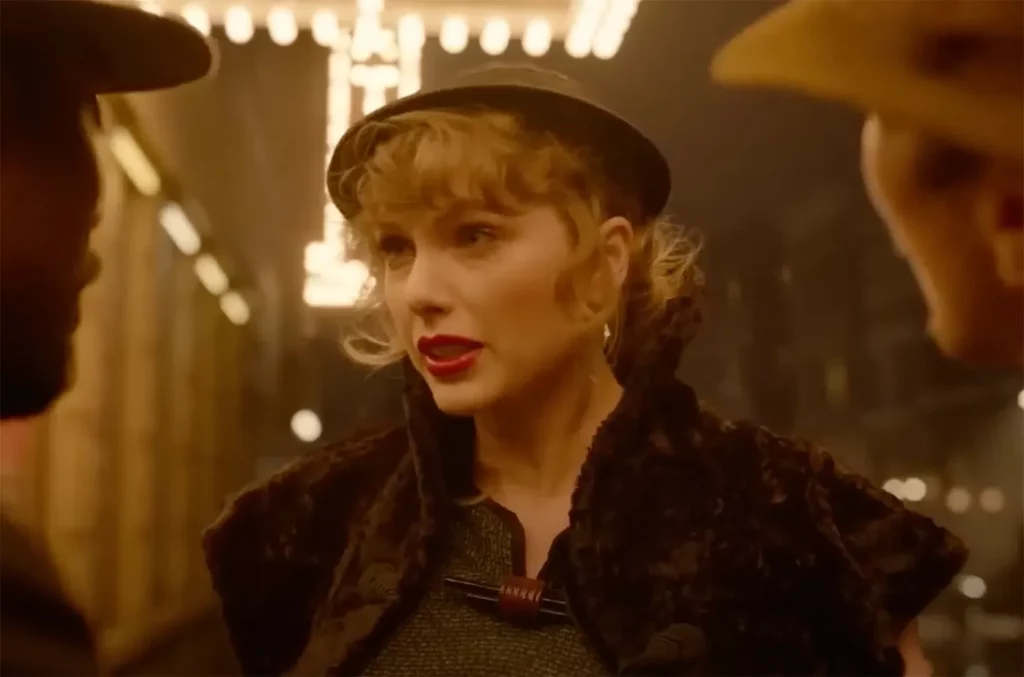
Or Taylor Swift. She’s dabbled in acting with Cats, Amsterdam, and some cameos, but her presence on screen often gets picked apart. Why? She built her brand on being the narrator of her life, the “main character” in her story. Audiences are used to her personal perspective, so seeing her play someone else can feel jarring. Her brand thrives on vulnerability, self-expression, and storytelling. Translating that on-screen and breaking the persona that is “Taylor Swift” makes it difficult for audiences to buy her in those roles.
And it’s not always fair. Sometimes the backlash is more about audience discomfort than actual performance. It’s not that they’re untalented, but moreso that the audience wasn’t primed to believe them in a new medium.
The Trust Equity Factor
So what makes audiences trust some transitions more than others? It all comes down to what I call trust equity.
Trust equity is the reputation you’ve built over time by delivering on your brand promise. When you’re consistent, authentic, and evolve strategically, people root for your growth.
The celebs who succeed across mediums don’t jump recklessly. They build trust in one space, then expand. They often do side projects, collaborations, or small test roles before taking on something massive. They earn their audience’s confidence.
And perhaps most importantly, they stay on brand, even when changing formats. That’s what builds the bridge.
What Does This Teach Us About Personal Branding?
So what does all this mean for the rest of us, especially creators, artists, entrepreneurs, or anyone building a brand?
At the heart of it, cross-medium success comes down to brand trust. When your audience trusts you, they’re more likely to follow you across platforms, industries, and mediums.
Take Donald Glover. His early brand was rooted in creativity, experimentation, and being multi-talented. He built community through “Community” (pun intended), then used that trust to take fans along as he moved into stand-up comedy, writing, music, and eventually Emmy-winning television. Each move still felt authentic to what we already knew about him.
So, how can you build this kind of credibility for your own brand?
1. Earn Trust in One Lane First
Build real credibility in your core niche before pivoting. Donald Glover earned trust through comedy and TV writing first. Lady Gaga dominated pop music with a clear artistic identity before she even touched film.
If you try to do everything at once without building a foundation, it can feel scattered, and people won’t follow you.
2. Make the Pivot Make Sense
The jump should feel natural based on what your audience already knows about you. For example, Ludacris transitioning into film worked because his brand was already charismatic, energetic, and performance-driven. Seeing him in Fast & Furious didn’t feel like a stretch; it felt like an extension.
Hailee Steinfeld is another great example. She started in True Grit and transitioned into pop music with a sound and image that matched the confidence we’d already seen on screen. Her music was a brand expansion.
3. Show, Don’t Tell
Audiences don’t just want to be told you’re talented in multiple areas. They want to see it and feel it.
Gaga blew us away in A Star Is Born. Donald Glover dropped multiple, strong, story-driven albums. Your pivot has to speak for itself.
4. Be Ready for the Long Game
Even with earned trust, not every move will land immediately. Justin Timberlake had years of acting roles before landing serious critical acclaim. Zendaya’s transition from Disney to Emmy-winning roles took time and smart choices.
This isn’t about one viral moment. It’s about consistency and long-term strategy.
5. Reinforce Your Core Values Across Mediums
Your audience connects with your values more than your product. So even if the medium changes, the message can stay consistent. Beyoncé’s brand is about excellence, control, and cultural influence; whether she’s singing, performing, or directing, that message stays intact.
The big takeaway?
Cross-medium credibility isn’t about proving you can do everything. It’s about showing that everything you do is aligned with your brand’s core values and that each new move adds to the story.
In the end, crossing media isn’t just about talent; it’s about branding. It’s about trust, expectation, and how well your story carries from one stage to the next.
So next time you see a celeb go from singer to actor or vice versa, don’t just judge the performance, watch the brand strategy.
Tell me in the comments: whose career switch actually surprised you?
Until next time, Marketeers: stay smart, stay savvy, and keep building a brand that moves and grows with you.